



Providing comprehensive health care is crucial for fostering overall well-being and addressing the diverse needs of individuals. With increasing awareness of health issues and the many factors that contribute to wellness, it is vital to ensure access to a range of health services that support both prevention and treatment. Taking a proactive approach to health allows you to identify potential problems early, manage chronic conditions effectively, and maintain a higher quality of life.
This article is designed to guide you through the broad landscape of health care options, from routine check-ups and vision and oral care to specialized support for musculoskeletal, neurological, and mental health needs. By understanding the roles of different health professionals and facilities, you can make informed decisions and choose the most appropriate care for your unique situation.
Beyond simply seeking care when symptoms arise, learning how to integrate preventive measures, lifestyle adjustments, and timely consultations into your daily routine is essential. This approach not only addresses immediate concerns but also helps mitigate long-term health risks. By being proactive and informed, you can navigate common health challenges before they escalate and ensure a balanced, holistic approach to overall wellness.

Prioritizing Mental Wellbeing
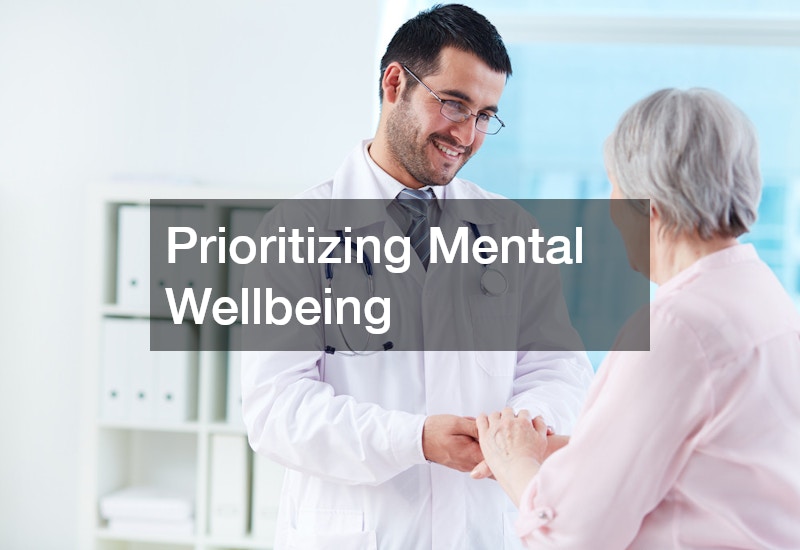
Mental health is an integral part of overall health, affecting how we think, feel, and behave daily. Mental health services are crucial in providing the necessary support and treatment for individuals facing psychological issues. These services include therapy, counseling, and psychiatric evaluation, aiming to improve emotional and psychological resilience.
The stigma around mental health is gradually decreasing, encouraging more people to seek professional help without fearing judgment. In many areas, mental health facilities are available, offering specialized care tailored to different psychological conditions. Raising awareness and understanding about mental health can lead to better outcomes and improved quality of life for those affected.
Incorporating mental health considerations into daily life, such as stress management and self-care, can prevent future health issues. Employers increasingly recognize the importance of mental health services and provide resources for employees. The accessibility of these services ensures that individuals receive timely assistance, which is vital for recovery and well-being.
Maintaining Vision Health
Maintaining vision health is essential for preserving our ability to see clearly and preventing eye-related disorders. Regular visits to an optometrist can help detect early signs of eye conditions, such as glaucoma or macular degeneration. Optometrists provide guidance on corrective lenses, eye safety, and overall eye health maintenance.
Vision health extends beyond wearing prescribed glasses or lenses; it involves adopting a lifestyle conducive to preserving eyesight. This includes limiting screen time, practicing eye exercises, and ensuring proper lighting while reading or working. Safeguarding vision health is a lifelong commitment that entails routine check-ups and following professional advice.
Advancements in optometry have introduced innovative diagnostic and treatment options for individuals with refractive errors or eye diseases. The optometrist plays a crucial role in educating patients about maintaining healthy vision and preventing future complications. Understanding the importance of vision care can significantly improve one’s quality of life.
Supporting Musculoskeletal Health
Musculoskeletal health is vital for maintaining mobility and function in daily activities. Chiropractic treatment offers a non-invasive approach to managing and alleviating musculoskeletal disorders. Chiropractors assess the spine and joints to provide adjustments that can relieve pain, improve alignment, and enhance overall physical health.
Chiropractic care is garnering attention as an effective means of addressing back pain, neck pain, and other musculoskeletal issues. It encompasses techniques that restore joint mobility, alleviate tension, and promote natural healing processes. Emphasizing prevention, chiropractors often provide exercises and lifestyle recommendations to prevent future injuries.
Regular chiropractic treatment can contribute significantly to physical well-being, improving overall posture and flexibility. These therapies not only address current issues but also work towards preventing long-term dysfunction. Consulting with a chiropractor can help identify the root causes of discomfort and develop personalized care plans for optimal musculoskeletal health.
Understanding Specialized Care Programs
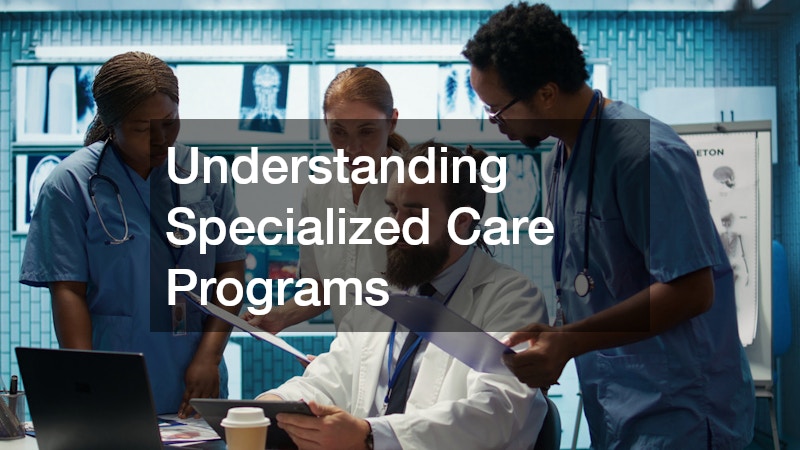
Specialized care programs focus on particular health conditions, offering tailored services to meet unique patient needs. Treatment centers dedicated to specific health issues provide comprehensive care, from diagnostics to rehabilitation. These centers aim to improve patient outcomes by concentrating on specific areas of health, such as rehabilitation, addiction recovery, or chronic disease management.
Individuals seeking targeted interventions often find treatment centers more specialized than general hospitals. These programs incorporate multidisciplinary approaches, involving various health professionals working collaboratively for patient care. This model ensures holistic treatment, addressing physical, mental, and emotional aspects of the patient’s condition.
Participation in specialized care programs can substantially enhance patient recovery through personalized attention and targeted therapies. Treatment centers continuously evolve, integrating modern techniques to offer cutting-edge services and support. Understanding available specialized care options can empower individuals to take proactive steps towards recovery and improved health.
Recognizing When Immediate Attention is Needed
Recognizing when immediate medical attention is required is crucial for timely intervention and treatment. Urgent care facilities provide a middle ground between routine care and emergency services, addressing non-life-threatening conditions that require prompt attention. These facilities offer services for common injuries and illnesses, alleviating burden from emergency rooms.
Urgent care centers expand accessibility to medical services outside regular hours, accommodating unexpected health issues. Staffed with qualified medical professionals, they offer diagnosis and treatment for a range of conditions, ensuring that patients receive the necessary care swiftly. Recognizing signs that require urgent attention can significantly impact health outcomes.
Having an urgent care plan in place is invaluable for families, offering peace of mind knowing that quality medical care is available when needed. These centers bridge the gap in healthcare accessibility, particularly in areas underserved by primary care providers. Understanding the role of urgent care in the healthcare system encourages timely medical intervention.
Addressing Hair and Scalp Health
Hair and scalp health can significantly impact self-esteem and overall well-being. Hair loss clinics specialize in diagnosing and treating various conditions leading to hair thinning and loss. These clinics offer a range of treatments, including medications, topical solutions, and hair restoration procedures tailored to individual needs.
Understanding the causes of hair loss is crucial for effective treatment, as factors can range from genetic predispositions to health conditions like thyroid disorders. Hair loss clinics provide thorough assessments to identify underlying causes before recommending appropriate interventions. By addressing hair health, individuals can regain confidence and improve their quality of life.
A comprehensive approach to hair and scalp health includes dietary considerations, stress management, and proper hair care routines. Specialists may advise lifestyle changes to complement treatment, promoting healthier hair growth. Seeking professional assistance from hair loss clinics ensures an informed and tailored approach to resolving hair-related concerns.

Detox and Preventive Intervention
Detoxification is a crucial process for eliminating toxins from the body, often necessary for individuals struggling with substance abuse. Rapid detox programs offer accelerated detoxification, providing a faster way to purge substances under medical supervision. These programs are designed to mitigate withdrawal symptoms, facilitating a smoother transition to recovery.
Rapid detox is a structured intervention that ensures safety and efficacy, typically utilized for severe addictions requiring immediate attention. Facilities offering these services provide a controlled environment, utilizing medication protocols to manage symptoms and support bodily cleansing. Preventive measures in detox programs help to establish long-term sobriety and health.
Participation in detox programs can be a critical first step in addiction recovery, enabling individuals to break free from substance dependency. After detox, continuous support and therapy are essential components to maintain sobriety and prevent relapse. Understanding the role of detox in comprehensive health care allows individuals to explore treatment options tailored to their needs.
Preparing for Critical Emergencies
Being prepared for critical emergencies can save lives and ensure timely medical response. 24/7 emergency care facilities are equipped to handle life-threatening situations requiring immediate intervention. These centers offer round-the-clock services, ensuring access to emergency health care whenever needed.
Emergency care involves a range of specialties, providing comprehensive services for patients experiencing severe acute health issues. Facilities are staffed with experienced clinicians skilled in trauma care, resuscitation, and emergency surgical procedures. Quick response in emergencies is vital for successful treatment outcomes and minimizing complications.
Understanding the importance of 24/7 emergency care can alleviate anxiety knowing that professional help is readily available in dire situations. These facilities are instrumental in the healthcare infrastructure, ensuring timely medical intervention in critical cases. Preparing for emergencies involves awareness and readiness to seek emergency services when required.
Oral Health as a Window to Overall Health
Oral health is an essential component of general health, influencing not just teeth and gums but overall well-being. Regular visits to a dentist are imperative for maintaining oral hygiene, preventing dental diseases, and detecting early signs of systemic conditions. Dentists provide preventive care, diagnostics, and treatment to uphold oral health standards.
Oral health is closely linked to systemic health, with conditions like gum disease potentially leading to or indicating broader health issues such as heart disease or diabetes. Comprehensive dental care encompasses routine cleanings, examinations, and therapeutic interventions, promoting a holistic approach to health. Oral hygiene practices encouraged by dental professionals can prevent widespread health issues.
A proactive approach to oral wellness includes daily habits such as brushing, flossing, and dietary regulation to support healthy teeth and gums. Dental care is a preventative practice that emphasizes longevity and the prevention of complicated health issues. Recognizing the connection between oral and systemic health can lead to better care and overall health management.
Utilizing Remote Neurological Consultations
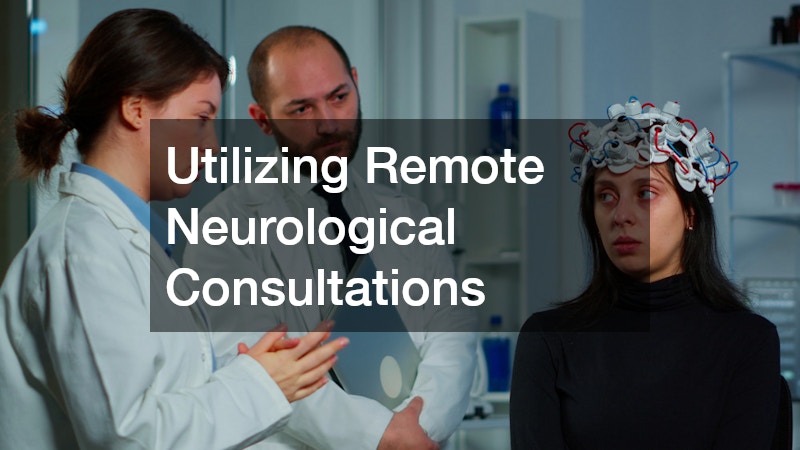
Telemedicine has revolutionized access to healthcare, making teleneurology services an essential resource for those needing neurological consultation. These services provide remote interaction with neurology specialists, facilitating diagnosis and management of neurological conditions without the need for physical travel. Teleneurology enhances accessibility, particularly for individuals in remote or underserved areas.
The remote nature of teleneurology allows for a flexible approach to patient care, utilizing video consultations, electronic records, and digital diagnostics. This mode of healthcare delivery is instrumental in managing conditions such as epilepsy, migraines, and neurodegenerative disorders like Parkinson’s disease. By removing geographic barriers, teleneurology services expand the reach of specialized neurological care.
Collaborative telehealth strategies involve coordination between primary care providers and neurologists, ensuring integrated care plans for patients. The convenience and efficiency of teleneurology support timely treatment and monitoring, crucial for managing chronic neurological conditions. Adapting to innovative health solutions expands the scope of care and improves patient health outcomes.
This exploration of various health services illuminates the critical facets of comprehensive healthcare aimed at addressing diverse health needs. Understanding and utilizing these services, from mental health support to urgent and emergency care, enhances the quality of life and supports proactive health management. Each healthcare sector provides targeted interventions essential for maintaining well-being across different life stages, from early adulthood through aging, and addressing both acute and chronic conditions.
The integration of specialized and general health services forms a robust healthcare system capable of meeting individual and community needs effectively. Emphasizing preventive care alongside targeted treatment strategies is pivotal for fostering holistic health. Regular screenings, early interventions, and ongoing consultations with health professionals enable individuals to identify and manage potential issues before they escalate. By actively engaging with healthcare services, individuals can navigate their health journeys with confidence, empowerment, and greater control over outcomes.
Equally important is cultivating health literacy, which allows individuals to understand not only what services are available but how and when to access them effectively. This knowledge encourages proactive decision-making, reduces unnecessary complications, and minimizes the likelihood of crisis situations. Staying informed about recommended check-ups, lifestyle modifications, and the latest health practices equips individuals to participate actively in their own care.
Moreover, a strong focus on holistic health requires attention to both physical and mental well-being. Maintaining a balanced lifestyle, managing stress, addressing minor health concerns promptly, and leveraging the expertise of healthcare providers collectively foster long-term wellness. Communities that prioritize health education and access to comprehensive care also benefit from reduced healthcare costs, improved productivity, and overall enhanced quality of life.
Ultimately, navigating health challenges before they escalate is not solely about treating illness—it is about creating a sustainable framework for lifelong wellness. By combining preventive strategies, informed healthcare choices, and timely intervention, individuals can build resilience, protect their well-being, and ensure that both immediate and long-term health goals are achievable. Understanding and embracing the full spectrum of healthcare resources empowers people to live healthier, more fulfilling lives, while fostering a culture of proactive, informed, and continuous health management that benefits both individuals and society as a whole.