



Raising a healthy child in the modern world is a pursuit that extends far beyond the four walls of a pediatrician’s office. It is a multi-dimensional puzzle where the pieces include nutrition, physical activity, emotional stability, and the very environment in which a child sleeps, plays, and learns. When we speak of a child’s health, we are looking at a delicate ecosystem. If one factor is neglected, it can create a ripple effect that touches all others.
The challenge for the modern parent is that the “factors” of health have become increasingly complex. It is no longer just about preventing the flu or ensuring they eat their greens; it is about curated developmental experiences, specialized clinical care, and the invisible safety of the air and water they consume. This guide is designed to help you navigate these layers, providing a roadmap to integrate various health factors into a cohesive strategy for your child’s long-term well-being.
The Impact of Early Social Environments
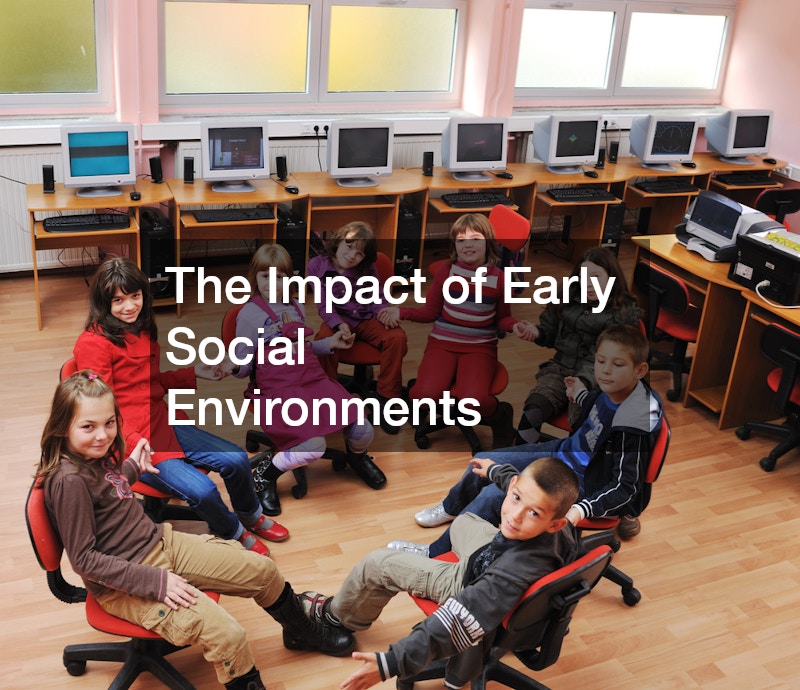

The earliest years of a child’s life are the most plastic, meaning their brain and immune system are rapidly adapting to the stimuli around them. For many families, the first major step outside the home is the introduction of professional care settings. This transition is not merely a logistical necessity for working parents; it is a foundational health intervention.
When children enter structured environments early on, they are exposed to a “microbiome of socialization.” This exposure is one of the primary benefits of infant daycare, as it helps prime the immune system through controlled exposure to common germs, which many researchers believe can reduce the risk of certain autoimmune issues later in life. Furthermore, these settings provide a linguistic and cognitive richness that is difficult to replicate in isolation.
As children transition from infancy into toddlerhood, the quality of their daily environment becomes even more critical. Choosing high-quality child care centers involves looking for more than just a safe place to stay. You are looking for a venue that prioritizes:
- Language-Rich Environments: Frequent back-and-forth interactions between caregivers and children.
- Consistent Routines: Predictability reduces cortisol (stress hormones) in developing brains.
- Nutritional Standards: Menus that prioritize whole foods over processed sugars.
The goal is to find a setting that views health as an integrated part of the curriculum, ensuring that the child’s social and physical needs are met simultaneously.
Physical Literacy
Physical health in childhood is often mistaken for simple “high energy.” However, true physical health involves the development of physical literacy—the competence and confidence to move in a wide variety of ways. This development is sequential; a child must master balance and core stability before they can excel in complex sports or fine motor tasks like writing.
One of the most effective ways to build this foundation is through structured movement. Enrolling a toddler or young child in a preschool gymnastics program provides a unique opportunity to develop “vestibular” and “proprioceptive” senses. These programs teach children how to navigate their bodies in space, how to fall safely, and how to use their upper body strength—skills that are increasingly lost in an era of tablet-based play.
As the child grows, the focus should shift toward sustained engagement and variety. During the summer months, the risk of sedentary behavior increases significantly. Researching the best summer camps involves looking for programs that offer a balance of high-intensity aerobic activity and skill-based learning. Whether it is a nature-based scouts camp or a specialized sports clinic, the objective is to prevent the “summer slide” in physical fitness.
To encourage this at home, consider the following:
- The 60-Minute Rule: Ensure at least one hour of heart-pumping activity daily.
- Diverse Terrain: Take children to hike on uneven ground to build ankle stability and balance.
- Restorative Rest: Recognize that physical growth happens during deep sleep, making a consistent bedtime a pillar of physical health.
Navigating Specialized Care


While the pediatrician acts as the “general contractor” of a child’s health, certain areas of development require specialists who understand the unique physiological and psychological needs of children. Two of the most critical areas are oral health and developmental milestones.
Oral health is systemic health. Poor dental hygiene in childhood can lead to inflammation that affects the entire body. While many parents consider taking their child to their own family dentist, there are distinct advantages to seeking out a specialist early on. A practice dedicated to pediatric dentistry is designed from the ground up to reduce dental phobia. From the size of the chairs to the way the staff explains a “tooth cleaning,” the environment is tailored to ensure the child does not develop a lifelong fear of the dentist.
Beyond the teeth, we must look at how the child interacts with the world. Sometimes, a child may hit a plateau in their speech, motor skills, or sensory processing. This is where pediatric therapy becomes an invaluable tool. Whether it is occupational therapy to help with sensory integration or physical therapy to correct a gait issue, early intervention is the key. The brain’s neuroplasticity means that a few months of therapy at age four can often accomplish what might take years at age fourteen.
When building your clinical team, look for:
- Communication: Providers who are willing to talk to each other (e.g., the dentist talking to the orthodontist).
- Child-Centric Spaces: Offices that prioritize a child’s comfort to lower stress markers during visits.
- Education: Providers who spend time teaching the child, not just the parent, about their own body.
Safeguarding Air and Water
We often focus on what we put into a child’s body in terms of food, but we must be equally vigilant about the “invisible” inputs: the water they drink and the air they breathe. Because children drink more water per pound of body weight than adults and breathe more rapidly, they are more susceptible to environmental toxins.
Water quality varies significantly by region, but even “treated” municipal water can contain lead from old pipes, chlorine byproducts, and “forever chemicals” like PFAS. Installing a high-quality water filtration system—specifically one that uses reverse osmosis or multi-stage carbon filtering—is a direct investment in your child’s neurological health. It ensures that the basic building block of their cells is as pure as possible.
The air inside a home can often be more polluted than the air outside. Mold is a particularly insidious factor in childhood respiratory issues and unexplained fatigue. If a home has experienced a leak or has persistent dampness in a basement or crawlspace, it is vital to seek out professional mold remediation services. Simply painting over a spot of mold is not enough; the spores must be removed and the moisture source addressed to protect the child’s developing lungs and immune system.
Consider these environmental checkpoints:
- Humidity Control: Use a dehumidifier to keep indoor levels below 50% to prevent mold growth.
- Lead Checks: If your home was built before 1978, have the paint and water pipes tested.
- Air Filtration: Use HEPA filters in bedrooms to reduce dust mites and pollen.
Backyard Safety
For families with the luxury of an outdoor play space or a pool, the backyard becomes a primary site for health and exercise. However, these spaces require their own “clinical” maintenance to remain safe.
Swimming is an incredible full-body workout and a vital life skill, but the chemistry of the water matters. Improperly balanced water can lead to “recreational water illnesses” or severe skin and eye irritation. Parents should regularly adjust swimming pool pH to stay within the ideal range of 7.2 to 7.6. This range is not just for the equipment; it is the range where the body’s own membranes (eyes, nose, skin) are most comfortable and where sanitizers like chlorine work most effectively to kill bacteria.
Safety also extends to the play equipment itself. Regular inspections of swing sets and slides are necessary to prevent injuries.
- Surface Safety: Ensure the ground beneath play equipment is soft (mulch, sand, or rubber mats).
- Chemical Exposure: Avoid older wooden play sets treated with chromated copper arsenate (CCA).
- Sun Protection: Create shaded areas to allow for outdoor play during peak UV hours without the constant need for chemical sunscreens.
By treating the backyard as a controlled health environment, you allow your child the freedom to take risks and play hard without unnecessary exposure to chemicals or physical hazards.
Nutritional Synergy


No discussion of child health is complete without addressing nutrition, as it plays a crucial role in a child’s development and overall well-being. Nutrition isn’t just about individual food items or nutrients, but about the balance and combination of different foods in a diet. This holistic approach is referred to as “synergy”—a harmonious interaction where various foods work together to support the body’s complex functions. Instead of fixating on so-called “superfoods,” the aim should be to cultivate a varied “rainbow” diet. Such a diet is rich in color, flavor, and nutrients, providing the essential raw materials needed for optimal growth, development, and sustained health.
As children grow, their nutritional needs evolve, requiring specific nutrients at different stages of their development. For instance, toddlers benefit greatly from diets rich in healthy fats which are vital for brain development, particularly for the process known as myelination. Myelination enhances the speed and efficiency of electrical signaling in the brain, which is crucial for cognitive functions. On the other hand, older children require a different nutritional focus, emphasizing the importance of protein and complex carbohydrates. These nutrients aid in building and repairing muscles and provide the sustained energy necessary for an active lifestyle.
- Focus on Fiber: Fiber is essential for a healthy gut microbiome, which is now known to be the “second brain” and a major center for immune function.
- Limit Liquid Calories: Swap juices and sodas for water and whole fruits to prevent insulin spikes and protect dental enamel.
- Involve the Child: Children are more likely to eat healthy foods if they have a hand in choosing them at the store or preparing them in the kitchen.
Mental and Emotional Wellness: The Invisible Foundation
It is crucial to recognize that the cornerstone of all factors affecting a child’s well-being is emotional health. This element acts as the binding thread, weaving together the physical, cognitive, and social aspects of their development. Imagine a child blessed with optimal nutrition and surrounded by a pristine, toxin-free environment; however, if this child experiences persistent stress or lacks the nurturing presence of emotional support, their physical health will invariably be compromised. The shadow of constant emotional distress can cast a long-term impact, disrupting natural growth and leading to various health issues both now and later in life.
Emotional health is not just an abstract concept but is constructed through meaningful “serve and return” interactions. These are reciprocal communication processes where a child intuitively seeks interaction—through a smile, a coo, or a look—and the parent attentively responds with genuine warmth and engagement. Such exchanges are vital in developing and strengthening the brain’s neural pathways, which are crucial for building resilience. Over time, resilience equips the child to navigate life’s challenges with greater ease, providing them with the emotional capacity to handle adversities.
- Mental Health Days: Just as children need recovery time after a physical illness, they sometimes need a “slower” day to recover from the pressures of school and social life.
- Open Dialogue: Normalize talking about feelings. A child who can name their emotions is better equipped to manage them.
- Mindfulness: Simple breathing exercises can help children regulate their nervous systems, improving everything from digestion to sleep quality.
The Integrated Path Forward

Achieving optimal health for a child is not about perfection in any one area; it is about the cumulative effect of many small, intentional choices. It is the realization that the dentist’s chair is connected to the kitchen table, and the air in the bedroom is as important as the activity on the playground.
By viewing these factors—clinical care, environmental safety, physical activity, and emotional support—as a single, interconnected system, you can create an environment where your child doesn’t just survive but truly flourishes. The investment you make today in these diverse areas of wellness will pay dividends for decades to come, providing your child with the strongest possible foundation for a vibrant, healthy adult life. The puzzle of health is complex, but when the pieces come together, the picture is one of a resilient, happy, and thriving child.