Aching, heavy legs and bulging veins are easy to dismiss as a normal part of standing all day or getting older. But persistent leg pain and visible vein changes can be your body’s way of flagging a circulation problem that needs attention. Understanding what these symptoms mean can help you decide when to simply rest and elevate your legs, and when it is time to seek professional evaluation. This guide breaks down the most common causes and what steps to take next.
Recognizing the Early Signs of Vein Trouble
Swollen veins do not usually appear overnight. Most people notice a gradual progression that starts with mild aching after long periods of standing or sitting, followed by visible discoloration or bulging veins near the surface of the skin. Catching these signs early can make a real difference in how easily the underlying issue is managed.
- Legs that feel heavy or tired by the end of the day
- Visible blue or purple veins that look twisted or rope-like
- Swelling around the ankles that worsens as the day goes on
- Skin that itches or feels tight over affected veins
- Cramping or throbbing that improves when legs are elevated
Understanding Why Varicose Veins Develop
Varicose veins form when the small one-way valves inside your veins weaken and stop closing properly. Normally, these valves snap shut after each heartbeat, preventing blood from sliding backward as it travels up your legs against gravity. When they fail, blood pools instead of flowing efficiently back to the heart, and this pooling increases pressure inside the vein walls, causing them to stretch, twist, and bulge over time.
Genetics plays a bigger role than most people realize — if one parent has varicose veins, your risk climbs significantly, and if both parents do, it climbs even higher. This is because vein wall strength and valve structure are largely inherited traits, not something you can train or diet your way around.
Pregnancy adds strain through a combination of factors: blood volume increases by up to 50% to support the growing baby, hormonal shifts relax vein walls, and the expanding uterus puts direct pressure on the pelvic veins that drain the legs. This is why varicose veins often appear or worsen during the second and third trimesters.
Obesity and prolonged standing work through simple mechanics. Extra body weight increases pressure on leg veins, while jobs like teaching, nursing, retail, factory work, or even dental surgeons spending long hours on their feet during procedures keep blood sitting in the lower legs for hours without the calf-muscle pumping action that walking provides. Age also matters, since valves naturally lose elasticity over time, which is why varicose veins become far more common after age 50.
Compression stockings and lifestyle adjustments can ease symptoms temporarily, but they do not repair damaged valves once the vein walls have weakened. These measures work by supporting circulation from the outside, not by fixing the underlying malfunction inside the vein. That’s why symptoms often creep back once you stop wearing stockings or return to long hours of standing.
If swelling, pain, or skin changes continue despite consistent home care, it’s time to look deeper than surface remedies. A local varicose vein doctor can evaluate the vein structure with a duplex ultrasound, a painless imaging test that shows blood flow direction and pinpoints exactly which valves are failing. This diagnostic step matters because not all varicose veins stem from the same source vein, and treatment plans differ accordingly.
Many modern procedures, such as radiofrequency ablation, laser therapy, or sclerotherapy, are minimally invasive and can be done right in an office setting. Most take less than an hour, require only local anesthesia, and allow patients to walk out and resume normal activities within a day or two. Compared to older surgical stripping methods, these techniques carry lower risk of scarring and a much shorter downtime, making them a practical option for people who’ve been putting off treatment out of fear of a lengthy recovery.
Distinguishing Muscle Pain From Circulation Problems
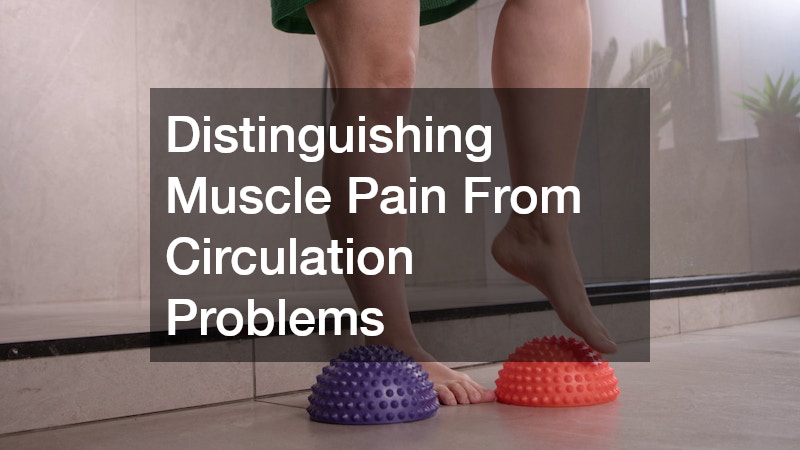
Not all leg pain comes from your veins. Muscle strain, tendon irritation, and joint issues can cause discomfort that mimics circulation problems, which makes an accurate diagnosis important before assuming the worst. Pain that shows up only during activity and fades with rest often points to a musculoskeletal cause rather than a vascular one.
If your pain feels more like stiffness or a pulled muscle, a chiropractor can assess alignment issues in the hips, lower back, or knees that may be referring pain down into the legs. Misalignment in the spine sometimes creates nerve irritation that presents as leg discomfort even when the legs themselves are healthy. A proper evaluation helps rule out these musculoskeletal contributors before pursuing vein-specific treatment.
Knowing When Swelling Signals a Medical Emergency
Most swollen veins are a chronic, slow-developing issue, but sudden swelling paired with sharp pain, warmth, or redness in one leg can indicate a blood clot, which is a medical emergency. Deep vein thrombosis can be life-threatening if the clot travels to the lungs, so this is not a symptom to wait out.
- Sudden swelling in only one leg
- Skin that feels hot or looks red in a specific area
- Sharp pain that intensifies when flexing the foot
- Shortness of breath or chest pain occurring alongside leg symptoms
If you notice any of these warning signs, local emergency rooms are equipped to run imaging tests quickly and start treatment before the situation worsens.
Building a Long-Term Relationship With a Primary Doctor
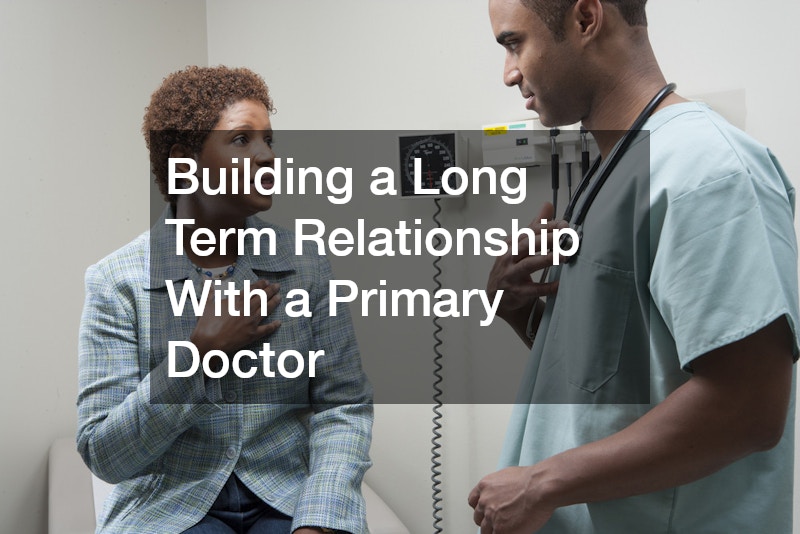
Ongoing leg pain and vein changes are exactly the kind of symptoms that benefit from consistent monitoring rather than a one-time visit. A relationship with a primary care provider gives you a baseline for your overall vascular health, so subtle changes over time—like a vein becoming more raised, a new area of swelling, or skin discoloration around the ankle—are easier to catch and act on quickly. In the same way that seeing a local dentist regularly helps catch small issues before they become bigger problems, sticking with the same primary care provider makes it easier to notice gradual vascular changes early.
Seeing the same provider year after year also means they know your personal history: past injuries, pregnancies, weight changes, or a family history of varicose veins that might otherwise get lost between different doctors. That context helps them tell the difference between a minor cosmetic issue and something that warrants a referral to a vascular specialist.
Regular checkups typically include blood pressure readings, blood sugar or A1C testing, and cholesterol panels, all of which can flag related conditions like diabetes or hypertension that worsen circulation problems over time. Diabetes in particular can damage blood vessels and nerves in the legs, making swelling and pain harder to notice until they become more serious.
Most primary care visits happen once or twice a year, which is often enough to track slow-developing vein issues without requiring specialist-level attention at every step. If something changes faster than expected between visits, your primary care doctor is also the fastest point of contact for deciding whether you need to be seen sooner.
A few weeks of notes, even brief ones jotted on your phone, can reveal whether swelling worsens after standing for long shifts, long flights, or by evening after a full day on your feet. This information helps your doctor decide whether you need a referral to a vein specialist or additional testing, such as an ultrasound to check blood flow. It also gives them a baseline to compare against at future visits, so they can tell if things are getting better, worse, or staying stable.
Consistent tracking often reveals patterns that are easy to miss day to day, like a connection between symptoms and a new medication, a recent weight change, or a longer commute. Even two or three data points a week are more useful than trying to recall details from memory during a rushed appointment.
Addressing Weight and Lifestyle Factors That Worsen Symptoms
Extra body weight puts additional pressure on the veins in your legs, making it harder for blood to flow upward against gravity. This is one of the most modifiable risk factors for vein disease, and even moderate weight loss can meaningfully reduce leg swelling and discomfort. Diet and activity changes are the first line of defense, but they are not always enough on their own.
For people who have struggled to lose weight through diet and exercise alone, a medically supervised medical weight loss treatment program can provide structured support, including nutrition planning and monitoring for underlying metabolic issues. Losing even ten to fifteen pounds can ease pressure on leg veins and reduce the workload on the circulatory system. Pairing weight management with movement, like short walks throughout the day, tends to produce the best long-term results for leg health.
Considering How Whiplash and Spinal Injuries Affect Leg Symptoms
It might seem unrelated, but injuries to the neck and upper spine can sometimes cause referred pain and nerve irritation that travels down through the back and into the legs. This is more common after car accidents or falls where the head and neck experience a sudden jolt. Left untreated, these injuries can create compensatory movement patterns that strain the lower body over time.
Patients recovering from these injuries often benefit from whiplash therapy that focuses on restoring proper neck and spine alignment, which in turn reduces abnormal strain patterns affecting the legs. If your leg pain started or worsened after a specific accident or injury, mentioning that timeline to your provider can help connect the dots. Addressing the root injury is often more effective than only treating the leg symptoms in isolation.
Recognizing Unrelated Symptoms That Sometimes Get Confused
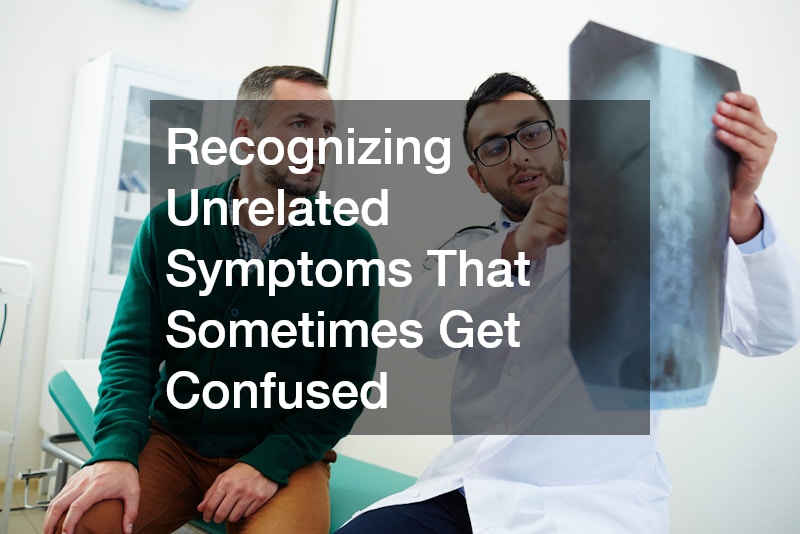
Patients sometimes associate unrelated symptoms with their leg pain simply because they are dealing with several health concerns at once, and it helps to understand which issues are truly connected. When someone is already managing a chronic condition, the brain tends to process new discomfort as part of the same overall pattern, even when the underlying causes have nothing to do with one another.
Dental pain is a good example. It has nothing to do with vein health, but chronic pain conditions can make people more sensitive to discomfort throughout the body generally, a phenomenon sometimes called central sensitization. This heightened sensitivity can make a toothache or jaw ache feel more intense or more “connected” to other symptoms than it actually is.
Oral surgery recovery, sinus pressure, and jaw issues are common examples of pain that gets mentally lumped in with other symptoms even though the source is completely separate. Someone recovering from wisdom tooth extraction, for instance, may feel generally run-down and assume it is related to circulation problems, when the fatigue is simply a normal part of healing. Similarly, sinus pressure from allergies or a cold can cause facial aching and head pressure that has no bearing on vein function whatsoever.
Recognizing these distinctions matters because it prevents unnecessary worry and helps patients describe their symptoms more accurately to a doctor. A clear timeline — noting when leg pain started versus when a dental procedure or sinus flare-up occurred — can make it much easier for a physician to separate coincidental symptoms from ones that genuinely warrant further investigation.
It’s easy to lump every health issue together when your household has multiple things going on at once, but leg swelling and pain deserve their own focused evaluation. If a family member is also recovering from oral surgery during this time, keep their follow-up appointments separate from any conversations about your leg symptoms. Healing timelines and pain patterns differ entirely between the two situations, and a dentist or oral surgeon isn’t the right resource for interpreting vein-related discomfort.
The same logic applies to other unrelated aches your family might be dealing with, whether it’s a sore jaw, a headache, or joint stiffness from a completely different cause. Mixing up symptom histories across family members, or across unrelated parts of your own body, can muddy the picture for whichever provider you eventually see. Each system- dental, vascular, muscular- tends to have its own set of warning signs and its own timeline for improvement.
For pediatric concerns, a childrens dental health center can address routine and developmental issues, like cavities, growth of adult teeth, or minor oral injuries, without any overlap with vascular health at all. Keeping that separation in mind saves time when scheduling, since pediatric dental visits and adult vascular consultations require entirely different specialists, tools, and diagnostic approaches.
Swollen veins and persistent leg pain are signals worth listening to, not symptoms to push through indefinitely. Start by tracking your symptoms and ruling out emergency warning signs, then work with the right specialist based on what you observe. Whether that means a conversation with your regular doctor, a targeted evaluation from a vein specialist, or addressing a contributing factor like weight or an old injury, taking that first step is what moves you toward lasting relief.