In home health care services have become crucial for providing quality care outside traditional settings, particularly for the elderly and chronically ill. These services allow patients to receive medical attention at home, contributing to better health outcomes and reduced hospital readmissions. This approach is essential in creating a supportive and healing environment.
What Are In Home Health Care Services?
Definition and Overview
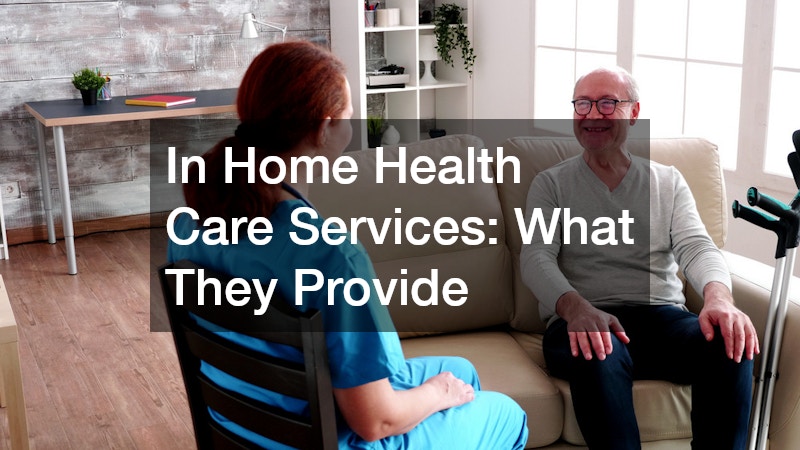
In home health care services offer medical and personal support at home, aimed at maintaining or improving health. They include professional nursing, therapy, personal care aides, and homemaker services, providing care continuity and independence. This dual support helps cater to both medical and personal needs of individuals.
Types of Services Offered
Services are categorized into medical care, personal care, and companionship. Medical care includes nursing and therapy, personal care assists with daily activities, and companionship offers social and emotional support. The diversity of services accommodates various patient requirements effectively.
Who Can Benefit?
Elderly individuals, those with disabilities, and patients recovering from surgery or managing chronic illnesses can benefit significantly from in home health care, offering autonomy and personalized support. This significantly improves the quality of life and promotes independent living.
How Do These Services Differ from Hospital Care?
Unlike hospital care, in home care offers personalized attention within familiar environments, fostering patient comfort and stronger caregiver-patient relationships. Personalized environments facilitate faster emotional recovery and adjustment.
Advantages of In Home Health Care
In home care provides personalized support, enhancing patients’ quality of life. It’s more comfortable, cost-effective, and flexible, aligning with patients’ routines and preferences. This adaptability ensures care is seamlessly integrated into daily life.
How Do You Implement an In Home Health Care Plan?
Initial Assessment
A comprehensive evaluation of the patient helps tailor a personalized care strategy. This foundational step ensures that all care plans are suitably structured.
Developing Care Plans
Care plans integrate medical treatment, daily assistance, and lifestyle recommendations, evolving with patient needs. Effective care plans are dynamic, reflecting the current state and goals of care.
Coordinating with Healthcare Professionals
Collaboration with healthcare professionals enhances comprehensive and continuous patient support. This teamwork encourages interdisciplinary innovation and excellence in care delivery.
Monitoring and Evaluation
Regular monitoring tracks progress and adjusts care interventions as needed, promoting adaptive care. This diligent oversight enhances proactive management and outcome optimization.
Adjusting Plans as Needs Change
Care plans adapt to changing patient needs, ensuring appropriate and effective care. Flexibility in plans guarantees suitability as conditions evolve.
What Are the Common Challenges in Home Health Care?
Managing Employee Turnover
High turnover impacts care continuity. Providers should enhance employee satisfaction through competitive remuneration and professional development. Stable teams foster consistency and rapport building with patients.
Ensuring Quality of Care
Providing quality care requires adapting to diverse home settings and continuous caregiver education. Quality assurances are crucial for maintaining high service standards.
Dealing with Personal and Emotional Stress
Caregiving can be stressful. Support systems like counseling and respite care are essential for managing stress. Effective support structures safeguard caregiver well-being and service efficacy.
Handling Emergency Situations
Caregivers must be prepared for emergencies with clear protocols and training. Prioritizing safety through readiness is key to mitigating crisis situations.
Navigating Legal and Regulatory Issues
Compliance with legal standards is vital for safe and legitimate care delivery. Regulatory adherence protects against legal issues and fortifies ethical practices.
Future Trends in In Home Health Care Services
Advancement in Technology
Technological integrations, like telehealth and remote monitoring, are enhancing care delivery and patient engagement. Innovation in technology continues to revolutionize support frameworks.
Growing Demand for Personalized Care
Patients seek tailored care, prompting providers to offer more individualized service options. This growing trend underscores a shift towards more human-centric healthcare models.
Sustainability and Cost-Effectiveness
Providers are optimizing resources, embracing eco-friendly practices, and adopting cost-saving technologies for sustainable care. Sustainability initiatives ensure the long-term viability of healthcare services.
Integration with Community Healthcare Programs
Partnering with community programs enhances care coordination and resource sharing. This integration lays the groundwork for comprehensive and inclusive care delivery.
Impact of Policy Changes
Policy developments influence service delivery. Providers must adapt to these changes for effective operations. Being proactive about policy changes ensures adaptability and compliance.
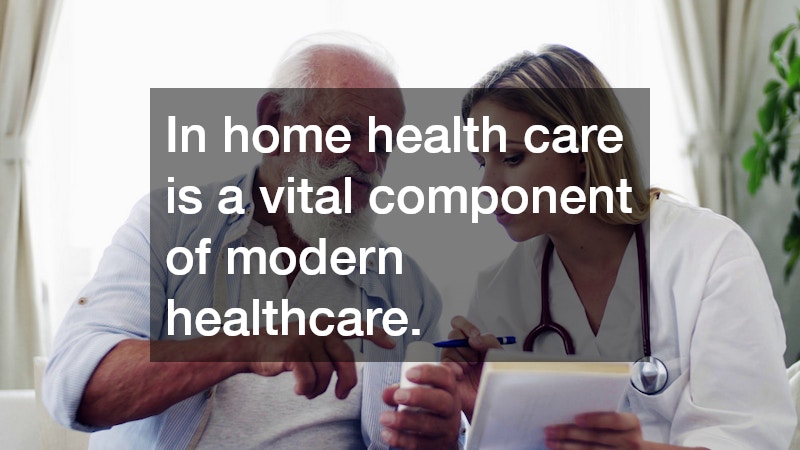
In home health care is a vital component of modern healthcare, offering personalized and effective services at home. Future trends promise increased technological integration and sustainable practices, ensuring its continued significance and impact. This evolution reflects an ongoing commitment to improving patient care and outcomes.